Free shipping on orders over $99. Shop now

Soccer Goals Replace Your Net

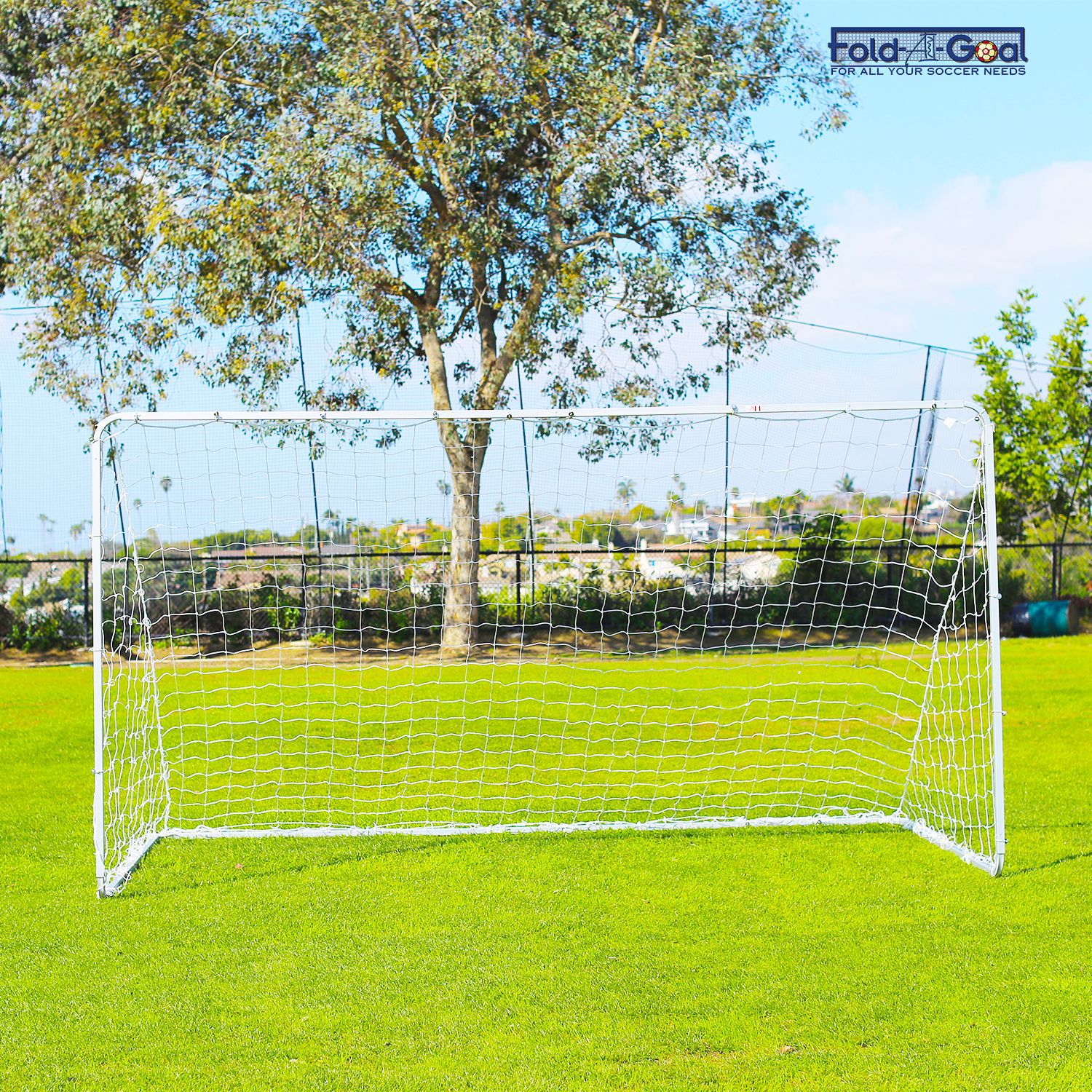
When it comes to maintaining your soccer equipment, replacing your soccer goal nets is a task you shouldn't overlook. Whether you're managing a community soccer field, running a school sports program, or simply maintaining your own backyard setup, ensuring your soccer goals are in top condition is essential. Well-maintained goals soccer not only enhance the aesthetic appeal of the field but also significantly contribute to the safety and enjoyment of the game.
In this article, we'll explore the critical components of soccer goals, the importance of replacing nets, and how to choose the right replacement nets for your needs. Understanding these elements will empower you to make informed decisions, ensuring that your goals soccer field meets both safety standards and player expectations.
Before diving into net replacement, it's crucial to understand the different parts of a soccer goal. This knowledge will help you identify what needs to be replaced and how to maintain your equipment effectively. Each component plays a vital role in the overall functionality and safety of the goal, and being familiar with them can help prevent potential problems.
The frame is the backbone of your soccer goal. Typically made from steel or aluminum, it provides the necessary support and structure. Regularly inspect the frame for any signs of rust or damage, especially if it's exposed to harsh weather conditions. A sturdy frame ensures that the goal remains upright and stable, minimizing the risk of accidents during play. Additionally, choosing the right material for your frame can impact its longevity and performance, with aluminum offering a lighter, rust-resistant option compared to traditional steel.
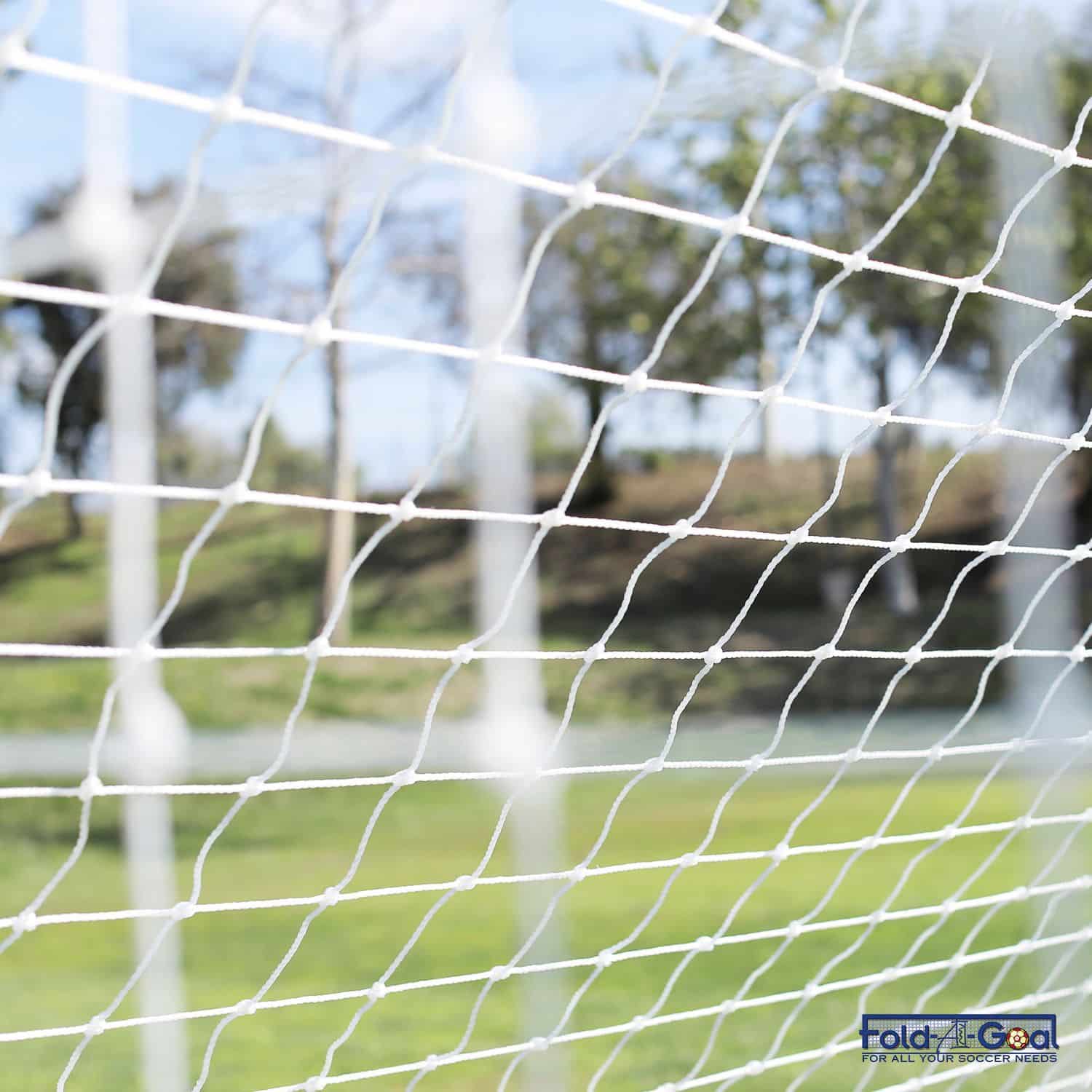
The net is the most visible part of a soccer goal and plays a significant role in the game. It absorbs the impact of the ball, signaling a goal. Over time, nets can become worn, torn, or damaged, requiring replacement to ensure safe and fair play. A damaged net can lead to disputed goals or injuries, so regular inspection and timely replacement are crucial. Moreover, the net's quality and condition can affect the game's pace and flow, as a well-fitted net efficiently stops the ball, preventing unnecessary interruptions.
Other important parts include the corner connectors, which join the frame pieces, and ground anchors, which secure the goal to the field. Keep an eye on these components to ensure the stability and safety of the goal. Neglecting these smaller components can lead to larger structural issues, so it's essential to maintain them regularly. Additionally, investing in high-quality connectors and anchors can enhance the goal's durability, providing a more reliable structure for players to enjoy.
Replacing your soccer goal nets might seem like a minor task, but it has several benefits that can impact the quality of the game and the safety of the players. A new net ensures that the game proceeds smoothly, enhancing the overall experience for both players and spectators.
A worn-out net can pose a safety risk. Torn or frayed nets may not adequately stop the ball, potentially leading to confusion and even injury if players need to chase stray balls. Ensuring your net is intact helps maintain a controlled and safe playing environment. Furthermore, a secure net reduces the likelihood of the ball rebounding unpredictably, which can prevent potential accidents or collisions on the field.
A fresh net can vastly improve the look of your soccer field. A well-maintained net reflects well on the organization or individual responsible for the field, conveying a sense of professionalism and care. It can also boost the morale of players and spectators, as a tidy, well-kept field is more inviting and enjoyable to use. In competitive settings, the visual appeal of the field can influence the perception of the event's quality and organization.
From a performance standpoint, a good net ensures that goals are clearly defined and counted without ambiguity. This clarity is crucial for both players and referees, especially in competitive settings. A reliable net eliminates disputes over whether a ball has crossed the goal line, contributing to a fair and enjoyable game. Consistent net performance also helps maintain the pace of the game, ensuring that play continues smoothly without unnecessary delays.
When it's time to replace your soccer goal nets, selecting the right net is key. Here are some factors to consider:
Soccer nets are typically made from polyethylene or nylon. Polyethylene is more affordable and resistant to weather, making it a popular choice for outdoor fields. Nylon, while more expensive, offers greater strength and durability, suitable for heavy use or indoor settings. The choice of material can significantly impact the net's lifespan and performance, so consider your specific needs and environment when making a decision.
Ensure the net you choose fits your goal frame. Soccer goals come in various sizes depending on the level of play---youth, high school, or professional. Measure your goal to ensure the replacement net matches. An ill-fitting net can lead to improper tension and premature wear, so accuracy in measurements is essential for a successful replacement.
Net thickness is measured in millimeters, affecting its durability and impact resistance. Thicker nets (3-4mm) are more durable and suitable for frequent use, while thinner nets (2mm) are adequate for casual or recreational play. Consider the level of play and frequency of use when selecting the appropriate thickness, as a thicker net can withstand more rigorous conditions and extend the net's lifespan.
The size of the mesh squares can affect how the net handles ball impact. Smaller mesh sizes provide greater resistance and are less likely to let smaller balls through, reducing the risk of damage over time. Mesh size can also influence the net's overall appearance and functionality, so choose a size that balances aesthetics with practicality.
If your soccer goals are outdoors, consider nets with UV protection and weather-resistant coatings. These features help extend the lifespan of the net, even in harsh weather conditions. Investing in weather-resistant nets can save money in the long run, as they require less frequent replacement and maintenance.
Once you've chosen the right replacement net, installing it correctly is crucial for optimal performance and longevity.
Carefully remove the existing net, checking for any wear or damage to the frame or other components. This step ensures that your new net will be installed on a stable and safe structure. Taking the time to inspect the frame and connectors during removal can prevent future issues and ensure a seamless installation process.
Most soccer nets come with attachment clips or ties. Secure the net to the frame, ensuring it's evenly distributed and taut. Pay attention to corners and edges, making sure the net is firmly attached to prevent slipping or sagging. Proper installation not only enhances the net's appearance but also ensures that it functions correctly, providing consistent performance during gameplay.
After installation, perform a thorough inspection. Check the tension of the net and ensure all parts are secure. This proactive step helps prevent issues during games and prolongs the net's lifespan. Regularly revisiting these checks can help catch potential problems early, maintaining the safety and reliability of the goal.
To maximize the lifespan of your soccer goal nets, regular maintenance is key.
Inspect your nets frequently, especially after games or harsh weather. Look for signs of wear, such as fraying or holes, and address any issues promptly. Routine inspections can prevent minor issues from becoming major problems, ensuring that your nets remain in top condition throughout the season.
Dirt and debris can accumulate on nets, especially those used outdoors. Clean your nets periodically using mild soap and water to maintain their appearance and durability. Regular cleaning not only improves the net's visual appeal but also helps prevent the buildup of materials that can weaken the net fibers over time.
If your nets are not in use year-round, store them properly during the off-season. Ensure they are dry before storing to prevent mold and mildew growth. Proper storage techniques can significantly extend the lifespan of your nets, ensuring they are ready for use when the season resumes.
Replacing your soccer goal nets is an essential part of maintaining a safe and effective playing environment. By understanding the different components of soccer goals, recognizing when and why to replace nets, and choosing the right materials, you can ensure your soccer goals are always game-ready. Taking these steps not only enhances the safety and performance of your field but also demonstrates a commitment to maintaining high standards.
By following these guidelines, you'll not only enhance the safety and performance of your soccer field but also boost the enjoyment of the game for players and spectators alike. A well-maintained soccer goal can elevate the overall experience, fostering a positive environment where players can focus on their skills and enjoy the game to the fullest.