Free shipping on orders over $99. Shop now

The Art of Scoring a Soccer Goal

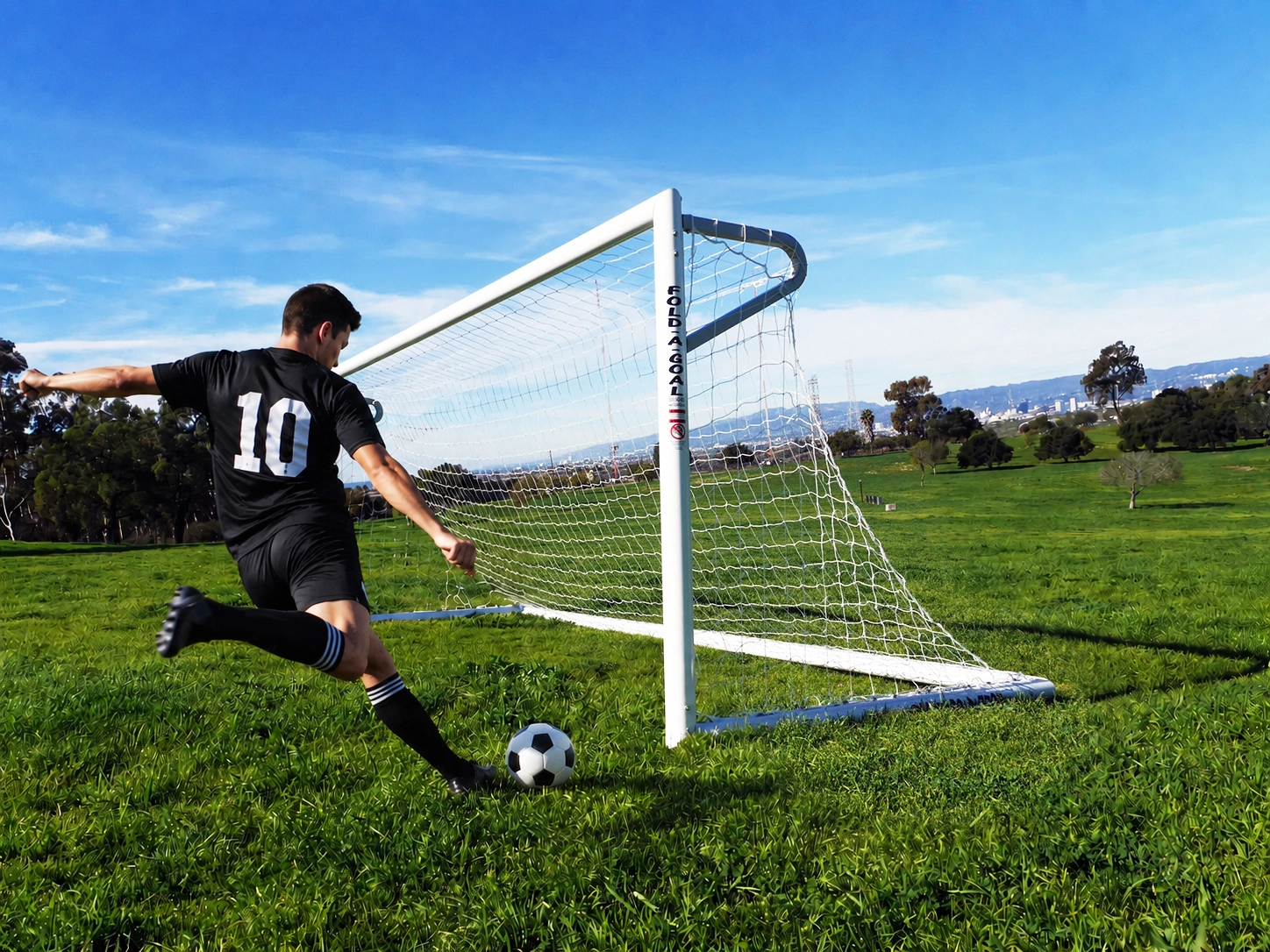
Before you can master the art of Scoring a soccer goal, you need to grasp the fundamentals. This includes knowing the rules of the game, positioning, and timing. Soccer is a team sport, and scoring is often the culmination of coordinated effort and strategic play.
Understanding the rules is foundational to effective play. The offside rule, for instance, can often trip players up but is crucial in creating legitimate scoring opportunities. Familiarizing yourself with rules regarding fouls and penalty kicks can also be game-changing, as they often lead to direct scoring chances. Knowledge of these rules ensures you can take advantage of every opportunity to score legally and effectively.
Positioning is crucial in soccer. Being in the right place at the right time can make all the difference. Forwards and strikers typically position themselves close to the opponent's goal, while midfielders and defenders support from behind. However, positioning isn't static; it requires reading the game and anticipating plays. Understanding how to exploit defensive gaps and knowing when to make a run can change the course of a match.
Timing your run to meet a cross or a through ball is an essential skill for Scoring a soccer goal. Perfect timing involves not just running onto a ball but knowing when to delay a run to avoid being offside. It also includes the ability to anticipate the movements of defenders and goalkeepers. Mastering the art of timing can help you outsmart opponents and increase your chances of finding the back of the net.
A perfect shot involves accuracy, power, and placement. Aim for the corners of the net, as they are the hardest for goalkeepers to reach. Practicing different types of shots, such as volleys, headers, and chips, can also increase your scoring potential.
Accuracy is about consistently hitting the intended target. Players should practice aiming for various parts of the goal, particularly the corners. This involves understanding how to strike the ball cleanly and adjusting your body position to ensure control. Regular drills focusing on accuracy will build muscle memory, allowing for precise shots during a game.
While power is important, it should not come at the expense of precision. A powerful shot is effective but only if it is directed towards a target the goalkeeper finds difficult to reach. Balance both power and precision by practicing with different parts of your foot to adjust the ball's speed and direction. This dual focus helps in varying your approach, keeping goalkeepers uncertain.
Diversity in shooting techniques makes a player unpredictable. Practicing volleys, headers, chips, and curl shots expands your arsenal. Each type of shot can be effective in different scenarios, and understanding when to use them is vital. This versatility not only confuses opponents but also enhances your overall scoring ability.
Having the right equipment is crucial for honing your scoring skills. From soccer nets to goal posts, the right gear can make your practice sessions more effective.
Identifying what equipment suits your level and goals is the first step. Beginners might focus on basic gear like a sturdy soccer ball and a reliable goal set. As skills progress, more specialized equipment like agility ladders or precision rings can be introduced to refine technique. The right equipment not only supports skill development but also motivates continuous practice.
A soccer ball and goal set is ideal for beginners and young players. These sets usually include a soccer ball and a goal, making it easy to practice shooting and scoring. Soccer goals for kids often come in smaller sizes, perfect for backyard play. It's important to ensure these sets are durable to withstand regular use, encouraging consistent practice.
There are several types of soccer goals available, each suited for different needs:
- Portable Football Goals: These are lightweight and easy to set up, making them ideal for practice sessions in various locations. They allow players to practice anywhere, making them perfect for spontaneous play.
- Mini Football Nets: Perfect for younger players and small-sided games, these nets are compact and easy to transport. They help in honing precision and are great for confined spaces.
- Collapsible Soccer Nets: These are great for those with limited space, as they can be folded down when not in use. They offer flexibility in storage and are convenient for temporary play areas.
- Full-Size Soccer Goals: These are best for serious players and teams, providing a professional playing experience. They replicate match conditions, helping players adjust to real-game scenarios.
When purchasing soccer nets or goals, consider the following:
- Durability: Look for nets made from high-quality materials that can withstand regular use and various weather conditions. This ensures longevity and consistent performance.
- Size: Choose a size that matches your needs, whether it's for kids, practice, or full-scale matches. The right size enhances the realism of practice sessions.
- Portability: If you need to move your goals frequently, opt for portable or collapsible options. This flexibility allows for practice in diverse environments, catering to different training needs.
To become a proficient goal scorer, regular practice is essential. Use backyard goals or portable soccer nets to set up practice sessions at home or in a local park.
Here are a few drills to improve your scoring skills:
- Shooting Drills: Practice different types of shots, focusing on accuracy and power. Set up targets within the goal to aim for specific areas. Use cones or markers to simulate defenders, enhancing your ability to shoot under pressure.
- One-on-One Drills: Work on beating a defender and the goalkeeper by practicing one-on-one situations. This helps in developing dribbling skills and composure in front of the goal, crucial for breaking through defenses.
- Crossing and Finishing: Practice receiving crosses from the wings and finishing with different techniques like volleys and headers. This drill improves timing and coordination between teammates, vital for effective attacking plays.
- Set Pieces: Work on free kicks and penalties to become a versatile scorer. Experiment with different angles and distances to refine your technique and increase your scoring chances from dead-ball situations.
Incorporate team drills to improve coordination and communication. This can include small-sided games and passing drills that simulate match conditions. Focusing on teamwork in practice enhances on-field chemistry, leading to more cohesive and strategic plays during actual games. Simulating match scenarios in practice helps players anticipate and react effectively during real matches.
Regular evaluation of your skills is key to continuous improvement. Recording practice sessions and reviewing them can identify areas of strength and those needing improvement. Set specific goals for each session to maintain focus and track progress. By maintaining a growth mindset, players can adapt and evolve their techniques, leading to consistent performance enhancements.
Understanding the role of the goalkeeper can also enhance your scoring ability. Goalkeepers are trained to anticipate shots, so varying your approach and keeping them guessing can increase your chances of scoring.
Observing the goalkeeper’s positioning and movement can provide clues on where to aim your shot. For instance, if they are positioned off-center, aim for the opposite corner. Learn to identify common goalkeeper behaviors, such as rushing out or staying on the line, to exploit weaknesses in their strategy.
Using feints and sudden changes in direction can catch goalkeepers off guard. Practice techniques like the fake shot or the step-over to create scoring opportunities. Developing unpredictable moves keeps goalkeepers on their toes, enhancing your effectiveness in front of goal.
Scoring against a goalkeeper is not just physical but psychological. Understanding how to unsettle a keeper, such as through eye contact or fake body language, can give you a mental edge. Mastering these psychological tactics can be as crucial as physical skills, often making the difference in high-pressure situations.
Scoring a soccer goal is an art that combines skill, strategy, and the right equipment. By understanding the basics, choosing the appropriate gear, and dedicating time to practice, you can elevate your game and become a formidable scorer. Whether you’re using a full-size soccer goal or a portable soccer net in your backyard, remember that every practice session is a step towards mastering the art of scoring. Embrace the challenge, enjoy the process, and keep aiming for the back of the net. The journey to becoming an exceptional scorer is ongoing, filled with learning and growth. Keep pushing your limits, and the goals will follow.