Free shipping on orders over $99. Shop now
Soccer Goals for Schools: Durable Options for Student Sports Fields

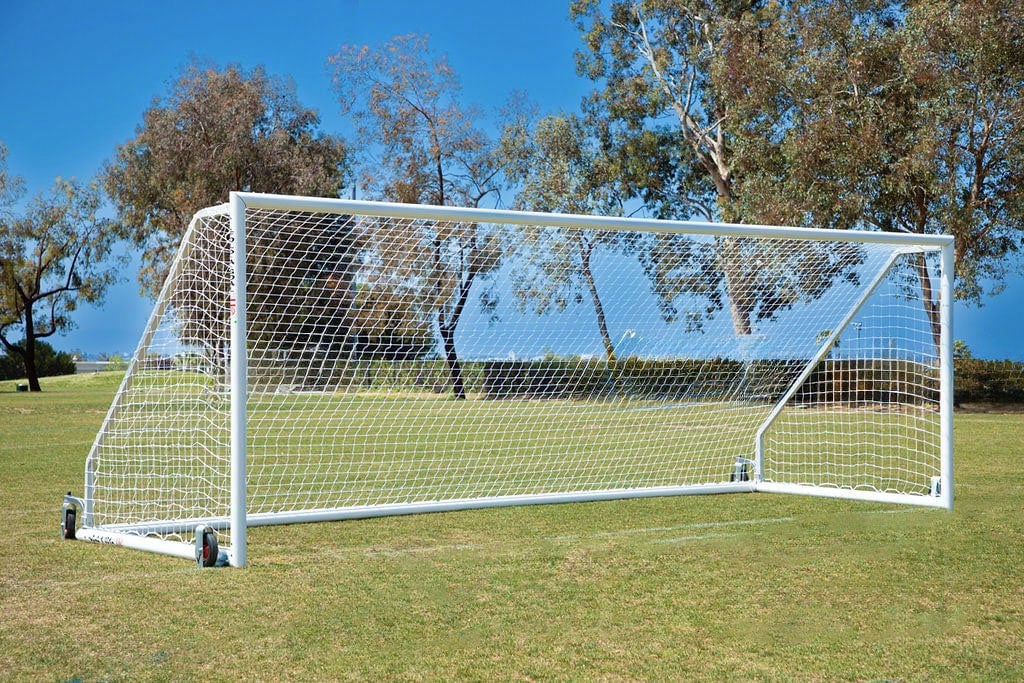
Schools need soccer goals that can handle daily PE classes, team practice, and school matches. Choosing the right equipment involves more than comparing prices. Schools must also consider frame strength, goal size, safe setup, storage space, and upkeep costs.
A well-chosen soccer goal for schools can support shooting drills, small-sided games, and team practice. Before buying, school staff should think about who will use the goals, how often they will be used, and how much space is available on the field.
What Should Schools Consider Before Buying Soccer Goals?
The main use of a soccer goal should guide the buying choice. Goals used for occasional PE classes may need different features from those used for daily practice or school matches.
Schools should check these points before choosing a product:
- How often it will be used: Goals used every day need strong frames and parts that can handle regular use and movement.
- Where it will be used: Outdoor goals should suit local weather. Indoor goals must fit the space and meet the rules of the facility.
- Frame material: Check the frame, joints, finish, and maker’s advice on how the goal should be used.
- Moving and storage: Decide whether staff need to move goals between activities or store them when the field is used for other purposes.
- Care and repairs: Check the cost of replacement parts, suitable nets, warranty cover, and regular safety checks.
For example, an elementary school may need small goals for beginner drills and limited playing space. A high school with a competitive team may need larger goals that fit its training needs and league rules.
How Do Portable Goals Compare With Match-Size Goals?
Portable training goals and full-size match goals serve different needs. The right choice depends on the school’s field, planned activities, and ability to move and store the equipment.
Portable goals are useful for shooting practice, small-sided games, and drills that need different field layouts. Some models fold or have features that make storage easier. Schools should check each model’s size, frame, and handling guide instead of assuming all portable goals work the same way.
Full-size match goals suit full-field practice and matches when they meet the required size rules. However, they may need more space for setup, movement, and storage.
Before choosing a goal, schools should check:
- Whether it is made for practice, casual games, or matches.
- How much field and storage space it needs.
- How it must be put together and secured.
- Whether staff can move it safely by following the maker’s instructions.
A high school soccer goal should suit the school’s training needs and any rules for its matches. Checking these details before buying can help schools avoid choosing the wrong size or type.
Choose Goal Sizes That Match Student Age and Playing Needs
Goal size affects how students practise shooting, play games, and build their skills. Schools should choose sizes based on student ages, field space, and the rules for each activity.
Younger students may do better with smaller goals during PE lessons and practice games. These goals can fit small fields and help teachers run drills for new players. Older students who practise full-field soccer may need larger goals that match their training and match rules.
Schools with students of different ages may benefit from buying more than one goal size. Small goals can help younger players learn basic skills, while larger goals can support older teams.
Before buying, check:
- Which age groups will use the goals.
- How much playing space is available.
- Which goal sizes are required for school leagues or matches.
- Whether the goals can be used for different school activities.
For official matches, check the rules of the relevant league before buying. Do not rely on general age-based advice alone.
How Can Schools Keep Soccer Goals Safe and in Good Shape?
Safe soccer goals need strong frames, correct setup, and regular checks. Even a well-made goal can become dangerous if it is loose, damaged, or moved the wrong way.
Schools should follow the maker’s instructions for setup and securing the goals. Staff should also check the equipment before use and report any damage.
Regular checks should cover these areas:
- Frame and joints: Look for cracks, bent parts, loose joints, and rust.
- Nets and fasteners: Check for holes in the net, worn ties, and missing parts.
- Anchors and securing parts: Make sure all required parts are present and fitted correctly.
- Playing surface: Look for holes, uneven ground, rubbish, and other hazards near the goal.
- Moving and storage: Follow the maker’s guide when moving or storing the goal.
Take any goal with a damaged frame, missing safety parts, or other safety issues out of use until it has been repaired or made safe. Regular checks can help staff spot problems before someone gets hurt.
Which Accessories Should Schools Include in Their Budget?
Soccer goals are only one part of a school’s sports equipment. Spare parts and training tools can help teachers prepare for different lessons and activities.
Depending on their needs, schools may want to buy:
- Replacement nets: A new net can replace a worn or torn one if the goal frame is still safe to use.
- Net fasteners: These help attach the net to the frame as designed.
- Approved anchors and securing parts: These help keep the goal in place when fitted as directed by the maker.
- Training cones: Cones help teachers set up passing, dribbling, and shooting drills.
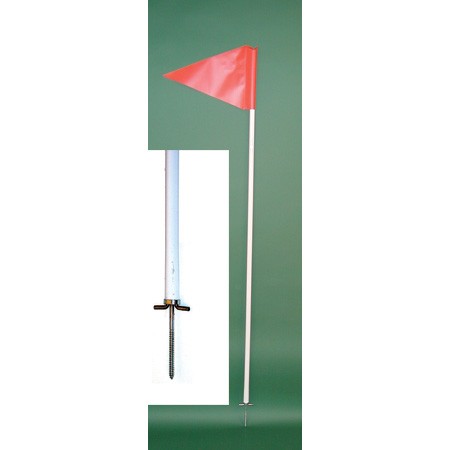
- Corner flags: These help mark out the field for planned games.
- Ball bags and storage supplies: These keep soccer balls and other training gear neat between lessons.
Make sure all spare parts fit the goal model. Net sizes, clips, and anchors can differ between products. Check the product details before placing an order.
Check Product Details Before Placing an Order
A final check can help schools make sure the equipment meets their needs. School leaders, PE teachers, and buying staff can review the product details together before making a choice.
Before placing an order, check:
- Goal size and main use.
- Frame material and whether it suits the playing area.
- Whether nets, fasteners, anchors, and other needed parts are included.
- Setup, fitting, and storage guides.
- Access to spare parts that fit the model.
- Warranty terms, delivery fees, and expected delivery dates.
- Purchase forms, bills, and other buying rules that apply to the school.
Ask questions about size, included parts, and setup before paying for the order. This can help prevent delays and extra costs later.
Find Soccer Goals That Fit Your School’s Needs
Choosing the right soccer goal for schools means balancing frame strength, goal size, safe setup, storage space, and cost. By looking at student ages, field size, practice needs, and available space, schools can find goals that suit their sports programs.
Fold-A-Goal offers portable and folding soccer goals, larger goals, nets, anchors, and other soccer gear. School buyers can browse the range, compare product details, and check which spare parts and accessories fit their needs and budget.
Frequently Asked Questions
1. What should schools look for when buying soccer goals?
Schools should check frame strength, goal size, how the goal will be used, safety needs, storage space, and upkeep costs. The right choice depends on the students and the playing area.
2. Can schools use portable soccer goals for team practice?
Yes. Portable goals can be used for shooting drills and small-sided games. Schools should check that the goal suits the activity and follow the maker’s setup and safety instructions.
3. How should schools choose soccer goal sizes?
Schools should consider student ages, field space, and match rules. For official games, check the required goal size before buying.
4. How often should schools check their soccer goals?
Staff should follow the maker’s safety guide and relevant rules. They should check frames, joints, nets, and securing parts as often as required and before use when appropriate. Damaged or unstable goals should not be used until they are safe.
5. Which accessories should schools buy with soccer goals?Schools may need nets, net fasteners, approved anchors, and spare parts that fit their goals. Cones, ball bags, and storage supplies can also help, depending on the school’s needs and budget.