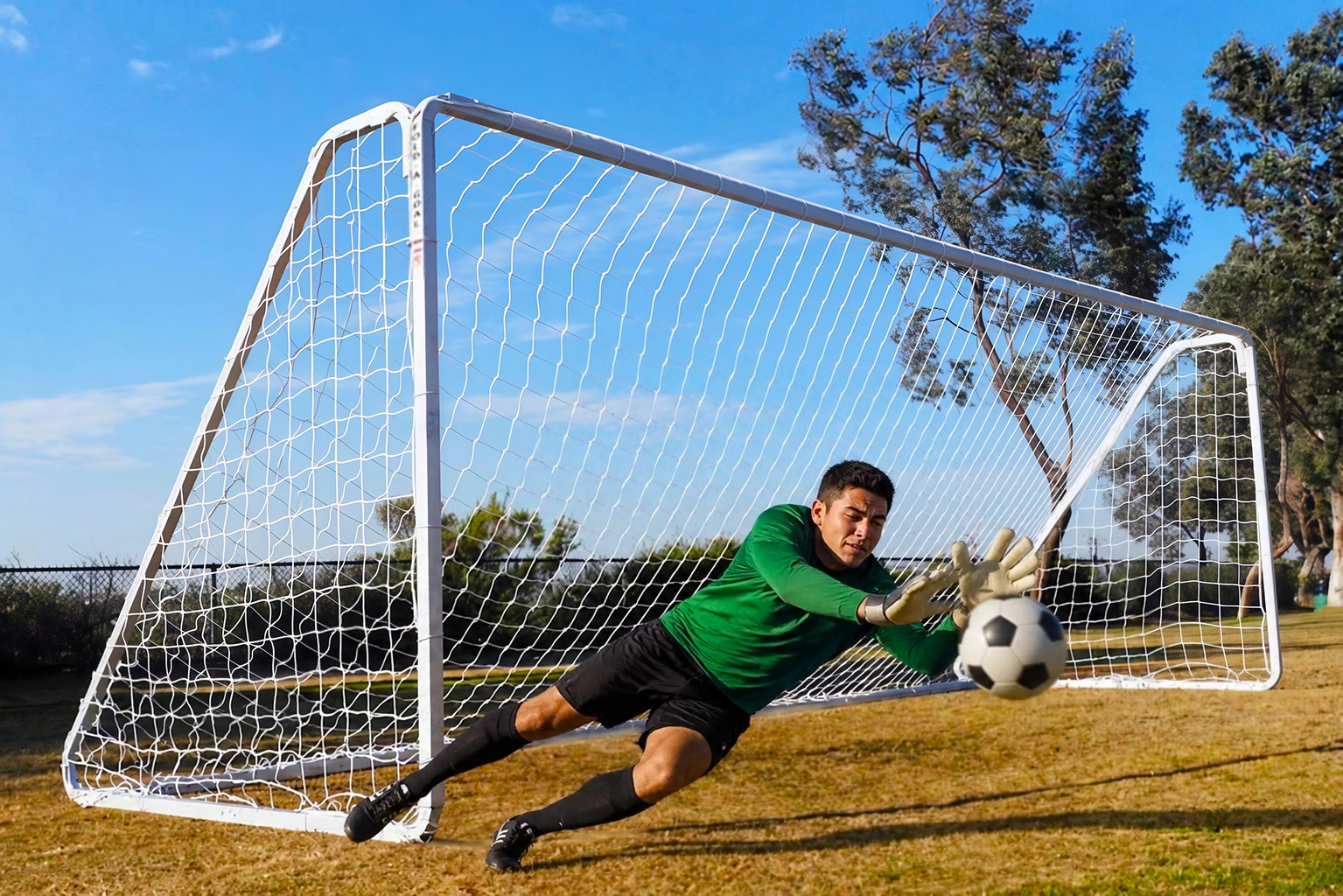
Heavy duty soccer goals are built for durability, stability, and long-term performance on professional fields, schools, and training facilities. Designed to handle intense gameplay and powerful shots, these goals are constructed with strong materials such as reinforced aluminum or galvanized steel frames. The sturdy design of heavy duty goals ensures they remain stable during matches and practice sessions, even under frequent use and challenging weather conditions.
One of the main advantages of heavy duty soccer goals is their strength and reliability. They are typically equipped with thick goalposts, high-quality net supports, and durable nets made from weather-resistant materials. These features help the goals withstand repeated impact from powerful shots while maintaining their structure and safety standards. Many models also include secure anchoring systems to prevent tipping and keep the goals firmly in place during competitive play.
Heavy duty soccer goals are commonly used on professional soccer fields, stadiums, sports complexes, and school athletic grounds. Because they often follow regulation dimensions, they are ideal for official matches, tournaments, and advanced training sessions. Players and coaches benefit from practicing with these high-quality goals because they provide a realistic match experience and support accurate shooting drills and goalkeeper training.
Modern soccer goals are available in several configurations, including permanent in-ground installations, semi-permanent systems with ground sleeves, and portable wheeled goals for flexible field setups. Each type offers strong construction while meeting the needs of different sports facilities.
Choosing soccer goals is an investment in safety, reliability, and performance. With their robust construction, long-lasting materials, and professional design, these goals provide a dependable solution for teams, schools, and sports organizations that require high-quality soccer equipment capable of supporting competitive play and intensive training.