Free shipping on orders over $99. Shop now
Portable Goals for Schools: Choosing Equipment That Fits Field Use

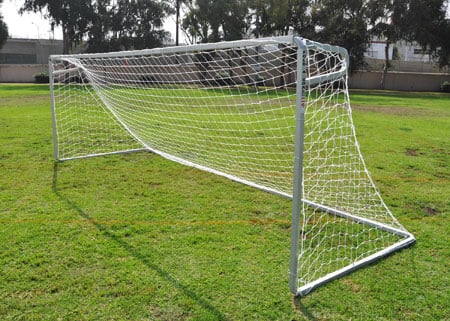
Schools need soccer goals that fit the way their fields really work. A PE class, school team, and shared-use field can have very different needs. Portable goals can give staff more flexibility, but size, weight, storage, movement, and anchoring all matter. The right goal should make field setup easier, not turn every practice into a chore.
What Should Schools Check Before Buying Soccer Goals?
Start with the field, not the product photo.
A school should first look at how people will use the goal during a normal week. A high school team may leave its goals on the field for regular practice. A PE teacher may need to move smaller goals several times in one day.
Those two schools may need very different equipment.
Before buying, ask:
- Who will move the goals?
- How often will they move?
- What age group will use them?
- Will other sports share the field?
- Where will staff store them?
- What goal size fits the field?
- What type of anchors will the field need?
These questions help schools avoid buying equipment that looks good on paper but creates problems during daily use.
Goal Size Should Match the School’s Field Use
Goal size should match the players, field space, and type of activity.
Younger students often play on smaller fields. Older school teams may need larger goals for full-field practice and match preparation.
But age is not the only factor.
A school may use one field for several activities. A coach might run full-field drills in the morning and small-sided games later. A large match goal may work for the first activity, while smaller training goals may work better for the second.
So, schools should not simply buy the biggest goal available.
Think about what students will actually do with it.
A smaller goal can help create a tighter practice area. A larger goal can suit match-style training. The right choice depends on the job the equipment needs to do.
How Does Field Sharing Change the Decision?
School fields often serve more than one purpose.
Soccer may share the space with football, track, PE classes, community programs, or school events. That means the soccer goals cannot always stay in the same place.
This makes portability much more useful.
However, staff need to think about the entire movement process. A goal may have to travel from a storage area, through a gate, across the field, and back again after practice.
That route matters.
For example, a large goal may work well once it reaches the field. But if staff struggle to move it through a narrow gate, its size becomes a daily problem.
The best equipment fits both the playing area and the movement route.
Weight and Frame Design Matter During Daily Use
A lighter goal can make movement easier, but lighter does not automatically mean better.
Schools need to consider the complete design. Look at the frame, joints, wheels, ground bars, net attachments, and other parts that staff will handle.
Aluminum goals can offer a useful balance of strength and lower weight. That can help when staff move equipment often.
Still, the real question is simple:
Can the people responsible for the field move the goal safely?
If two staff members need to struggle with a large frame every afternoon, the goal may not fit the school’s routine.
This is why schools should look beyond material names and product photos. The complete setup matters more than one feature.
When Does a Semi-Permanent Setup Make More Sense?
A semi-permanent goal can make sense when a school wants a more fixed setup without committing to a fully permanent installation.
Think about a school that uses one field mainly for soccer. Staff may not need to move the goals every day. However, they may still need to clear the field for other activities from time to time.
That is where a semi-permanent setup can fit.
A highly portable goal suits fields that change often. A more fixed goal can suit fields that mostly stay set up for soccer.
Neither approach works for every school.
The key is to match the goal to the school’s field schedule rather than choosing based on the label alone.
Anchoring Is Part of the Equipment Plan
Schools should treat anchoring as a basic part of goal use, not an extra detail.
A movable soccer goal can tip if people climb on it, hang from the crossbar, or use it incorrectly. The U.S. Consumer Product Safety Commission recommends securing movable soccer goals with proper anchoring or counterweights. It also recommends checking connecting hardware and using goals on level fields.
That means staff should know how the goal works before students start using it.
A school should have a simple routine for checking:
- Anchors and counterweights
- Connecting hardware
- Frame joints
- Net attachments
- Wheels and moving parts
- Signs of damage
Staff should also secure goals when they are not in use. The CPSC warns against allowing children to climb on soccer goal frames or nets.
A good field routine can prevent a small equipment issue from becoming a bigger one.
How Should Schools Plan Storage and Movement?
Storage can make or break a portable goal setup.
Before ordering, measure the storage space and the route into it. Check doors, gates, corners, ramps, and other tight spots.
Do not stop at the question, “Will the goal fit inside?”
Ask another question:
Can staff get it inside without a struggle?
A goal might fit perfectly inside a shed but fail to pass through its doorway. It may also need space around it for nets, anchors, wheels, and other equipment.
Schools should also plan where the goal will go when another sport takes over the field.
That simple plan can save staff a lot of time during a busy school day.
The Right Accessories Complete the Field Setup
A soccer goal rarely works alone.
Schools may also need equipment such as:
- Replacement nets
- Net fasteners
- Goal wheels
- Anchors
- Back bottom bars
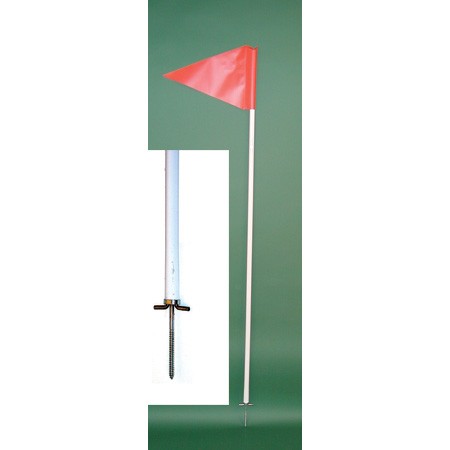
- Corner flags
- Field-marking equipment
- Smaller training goals
These items matter because field equipment gets used, moved, and repaired over time.
For example, a school may have a perfectly good goal but need a replacement net after regular use. Having access to the correct replacement part can make that repair much easier.
The same applies to wheels, anchors, and other goal hardware.
So, schools should think about long-term use before they place the first order.
Choose Equipment That Works After the Purchase
The best school soccer goal is not simply the one with the longest feature list.
It is the one that fits the field, players, staff, storage area, and daily routine.
Start with the activity. Then choose the goal size. After that, consider weight, frame design, movement, anchoring, storage, and replacement parts.
A simple buying path looks like this:
Players → Field → Goal Size → Movement → Anchoring → Storage → Accessories
This order keeps the decision practical.
It also helps schools avoid paying for features they may never use.
Wrapping Up
Schools need equipment that works beyond the first day of practice. A goal should be easy for staff to manage, suitable for the players, and practical to store when another activity needs the field.
For schools comparing portable goals, Fold – A – Goal offers portable, semi-permanent, permanent, training, tournament, and regulation-size soccer goals.
The company also supplies nets, wheels, anchors, and other soccer field equipment.
That gives schools the option to plan the goal and supporting equipment together, based on how their fields actually operate.
Frequently Asked Questions
1. What size soccer goals should schools buy?
Schools should choose goal sizes based on player age, field dimensions, playing format, and how coaches plan to use them.
2. Are portable soccer goals suitable for school fields?
Yes, portable goals suit schools that regularly change field layouts or need to move equipment between activities and storage.
3. Do school soccer goals need anchors?
Yes, schools should use proper anchors or counterweights and inspect them regularly to keep movable goals secure during use.
4. Should schools choose aluminum or steel soccer goals?
Aluminum can reduce overall weight, while steel may offer a heavier frame; schools should compare complete goal designs before buying.
5. What accessories do schools need for soccer goals?
Schools may need nets, anchors, wheels, net fasteners, replacement parts, corner flags, and field-marking equipment for regular field use.