Free shipping on orders over $99. Shop now
Shop Practice Soccer Goals for Training, Drills, and Team Sessions

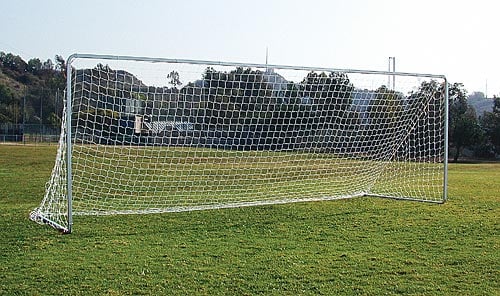
A soccer goal should fit the way players train and the space they have. A family practising shots in the backyard has different needs from a school training several teams. Choosing the right goal starts with knowing who will use it and how. Practice soccer goals come in different sizes and styles. Think about the players, drills, and how often you will use the goal before buying one.
What Should You Consider Before Choosing a Practice Goal?
Start by thinking about the players’ ages and the drills they will do. Younger players may need smaller goals to practise accurate shots. Older players may need larger goals for shooting drills and goalkeeper practice.
The playing area matters too. Measure the space before you buy a goal. Leave enough room for players to run up to the ball and collect missed shots safely. If several teams share a field, make sure the goal fits different practice setups.
Check these points before comparing products:
- Goal size: Make sure the goal suits the players and drills.
- Frame material: Check what the frame is made of and how often the goal will be used.
- Easy movement: Decide if you need to move the goal between practice areas.
- Included parts: Check whether the goal comes with a net, anchors, clips, and other parts.
- Storage: Make sure you have enough space to store the goal when it is not in use.
These checks can help you narrow down your choices before comparing prices and extra features.
Choose Goal Types That Fit Your Training Drills
The type of goal can change how you run a practice session. Small goals can help players work on short passes, close shots, and shooting accuracy. Larger goals can support long shots, crosses, and goalkeeper drills when their size suits the players and activity.
Portable goals are useful when coaches need to change the field layout. For example, a coach can split a large field into smaller areas. One group can practise passing while another works on shooting. Before moving a goal, check its weight and follow the maker’s instructions.
A school field used by several teams may need a different setup from a private training area. Instead of buying the biggest goal, think about the drills you use most and how much space they need.
How Can You Use Practice Goals to Improve Soccer Drills?
Good drills give players a clear goal and enough practice to improve. The goal provides the target, while the rules, shooting distance, and number of players set the level of challenge.
Try these drills during practice:
- Shooting accuracy: Mark different shooting spots and give points for shots that hit chosen parts of the goal.
- Pass and shoot: Ask players to make two or three passes before taking a shot.
- First-touch practice: Pass the ball from different angles and ask players to control it before shooting.
- Small-sided games: Use suitable goals for short games that help players make quick choices and pass under pressure.
Change the drills as players improve. Move the shooting spot farther away, set a time limit, or ask players to use their weaker foot. For younger players, keep the rules simple and focus on basic skills first.
Choose a goal that fits each drill. A very large goal may make an accuracy drill too easy. A very small goal may not suit practice for full-size matches.
Deluxe Pro Goals for Team Training
Schools, clubs, colleges, and sports centers may need goals for regular training. In these settings, the frame, net clips, anchors, and ease of movement all matter.
Deluxe pro goals have four-inch round aluminum uprights and crossbars, two-inch square aluminum depth supports, and a built-in channel for net clips. The product range also lists back bottom bars and net clips. The product details describe anchoring equipment and optional wheels as well.
When comparing models, check which size suits your players and field. Think about whether staff need to move the goals between sessions. Optional wheels may help staff move equipment, but the goals must still be secured properly during use.
Check the product details, warranty, delivery terms, and included parts before ordering. These details are important when buying goals for a whole team or sports center.
Which Accessories Do You Need for Soccer Practice?
A goal is only one part of a good practice setup. Other equipment can help coaches plan drills and keep players active.
Consider these items:
- Training cones: Mark shooting spots, passing paths, and field limits.
- Soccer balls: Keep enough balls ready so players spend less time waiting.
- Replacement nets and clips: Check that they fit your goal before buying them.
- Anchors: Use the parts recommended by the goal maker.
- Ball bags: Keep balls together during storage and travel.
Choose accessories based on your drills. A coach running shooting practice may need extra balls and cones. A school with several goals may need spare nets and clips.
Do not buy accessories based on looks alone. Check their size and fit, and read what each product includes. This helps you avoid buying parts that do not work with your goals.
Keep Soccer Goals Safe Before Every Session
A quick look after practice is not enough to keep a soccer goal safe. A loose or damaged goal can cause serious injuries, especially if players climb on it or hang from the crossbar.
Before each session, check the frame, joints, net clips, and anchors. Secure the goal as the maker directs. Do not use damaged equipment until it has been repaired or made safe.
Coaches and staff should also set clear rules:
- Never let players climb on goals or hang from crossbars.
- Keep bags and loose gear away from the playing area.
- Follow the maker’s instructions when moving or storing goals.
- Check that the goal is stable before shooting drills begin.
Schools and clubs should assign staff to check the equipment before practice. Follow the safety rules for the goal and the place where it will be used.
What Should You Check Before Buying?
Before placing an order, make sure the goal meets your needs. Check its size, frame, included parts, anchors, and any extra items you may need.
Look at the total cost, not just the listed price. Nets, wheels, spare parts, and delivery fees may add to the cost. Check the warranty and delivery details too, especially when ordering large goals for a school or club.
If you need several goals, confirm the number and sizes before ordering. For backyard practice, measure the space and make sure you can move and store the goal safely.
Taking a few minutes to check these details can help you avoid extra costs and parts that do not fit.
Let’s Rewind
The right goal should suit your players, field, and training needs. Compare goal sizes, frame materials, extra parts, and safety needs before choosing practice soccer goals for backyard use or team training.
Fold-A-Goal offers soccer goals and related equipment for families, coaches, schools, and clubs. Browse the available goals, check their details, and choose one that fits your needs. The right setup can help you plan useful drills and get players ready for their next practice session.
Frequently Asked Questions
1. What size soccer goal is best for practice?
Choose a goal based on the players’ ages, match rules, drills, and available space.
2. Can practice soccer goals be used for team drills?
Yes. The right goals can be used for shooting, passing, finishing, and small-sided games.
3. What makes Deluxe Pro Goals different?
They have round aluminum frames, aluminum depth supports, and a built-in channel for net clips. Check each product listing to see which parts are included.
4. Which accessories should you buy with a soccer goal?
You may need a net, clips, anchors, soccer balls, cones, and ball bags. Choose items that fit your goal and training needs.
5. How can you keep soccer goals safe during practice?
Check the frame and anchors, secure the goal as the maker directs, stop players from climbing on it, and remove damaged goals from use.