Free shipping on orders over $99. Shop now
How to Choose the Right Soccer Goals for School Sports Facilities?

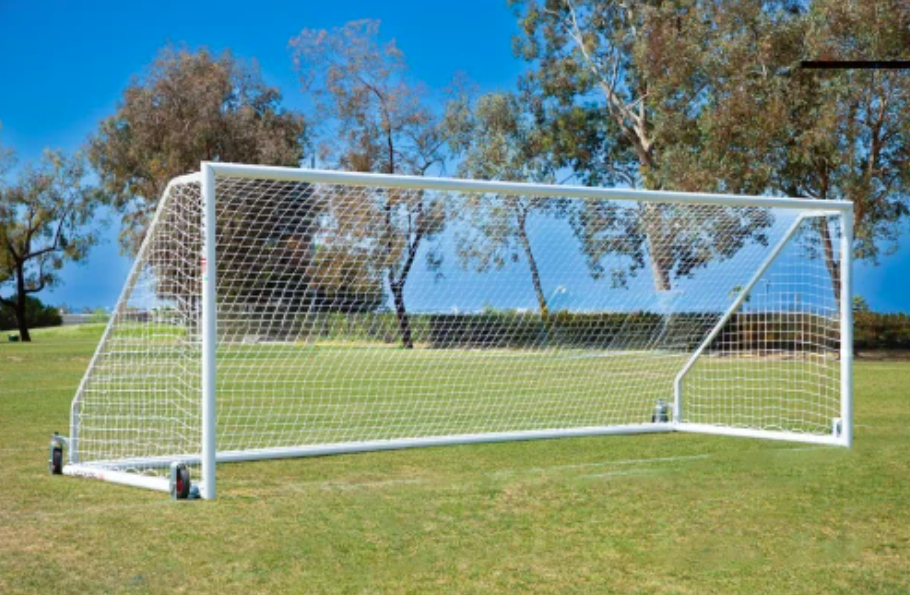
A school soccer goal is equipment that gives students a clear target for practice and matches. But schools need more than a frame and net. They must consider student age, field space, storage, and safety. Choosing the right soccer goal for schools helps staff meet these needs without wasting money on unsuitable equipment.
What Should Schools Consider Before Buying Soccer Goals?
Schools should start with their daily needs, not the price tag. A primary school with a shared playground has different needs from a high school with a dedicated soccer field.
First, look at how students and staff will use the goals. Will they support PE classes, team practice, school leagues, or all three? Also, check how many playing areas need equipment. One large goal may suit a match field, while smaller goals may work better for training.
Before comparing products, review these points:
- Student age: Younger players may need smaller goals.
- Field space: Measure the playing area and the space behind each goal.
- Use: Decide whether the goals will support practice, matches, or both.
- Storage: Check whether staff can store the goals when students finish.
- Budget: Include nets, anchors, fasteners, delivery, and future replacement parts.
This simple review gives school buyers a clearer idea of what to look for.
Choosing the Right Goal Size for Each Age Group
Goal size should match the players and the rules of their league. A goal that suits young children may not give older students the right setup for practice or competition.
For example, Illinois Youth Soccer lists a 6-by-4-foot maximum goal size for U6 to U8 play. Its guidance also lists larger sizes for older age groups. These figures show why schools should not buy one size for every student group. Rules can vary, so check the school’s league requirements before ordering.
A high school soccer goal usually follows the full-size 8-by-24-foot format for 11-a-side play. This size gives older students a goal that matches the needs of full-field soccer. However, a school should still confirm its competition rules and field dimensions before buying.
If a school serves several age groups, it may need more than one goal size. Smaller practice goals can support younger students, while full-size models can serve older teams. This approach also helps staff avoid using oversized equipment in small training spaces.
Portable, Semi-Permanent, and Permanent Goals Serve Different Needs
The right goal type depends on how often the school changes its field layout. Portable goals suit shared spaces because staff can move them when needed. They can also help schools that use one ground for several sports or activities.
Semi-permanent goals offer a more fixed setup. They may suit schools that use the same field for a full season but still need some flexibility. Permanent goals work best on dedicated soccer fields where the goal positions rarely change.
However, portable does not mean risk-free. Staff must follow the maker’s moving, anchoring, and storage instructions. The U.S. Consumer Product Safety Commission (CPSC) stresses that schools should secure movable goals properly and store them safely when not in use.
Comparing Materials, Nets, and Safety Features
The frame material affects weight, upkeep, and how a school handles its goals. Aluminum goals offer a lighter option than many steel models and resist corrosion naturally. Steel goals may suit buyers who prefer a heavier frame, but the coating and care needs matter.
Neither material makes a goal safe on its own. Schools should review the full frame design, joints, net attachments, and anchoring system before they buy.
A useful buying checklist includes:
- Strong frame joints and a suitable finish.
- Net size and depth that match the goal.
- Secure net fasteners that staff can check or replace.
- Anchors that suit the goal and playing surface.
- Clear setup and care instructions.
- Access to replacement parts when needed.
The CPSC warns that an unsecured movable goal can tip over and cause serious harm. It also advises schools to inspect connecting parts, secure goals when they are not in use, and prevent students from climbing on the frame or net. These steps should form part of the school’s equipment routine.
Managing Costs and Equipment Care Over Time
The lowest price does not always mean the best value. Schools should compare the full cost of owning a goal, including its net, anchors, delivery, installation, storage, and future repairs.
For example, a portable goal may cost less to set up on a shared field, but staff must have a safe way to move and store it. A permanent goal may need more work at the start, yet suit a school that uses one dedicated field throughout the year.
Schools should also plan regular checks. Staff can look for loose joints, worn nets, missing fasteners, and damaged anchors before each use. If a part needs repair, replace it before students return to the field.
A simple equipment log can help. Record the inspection date, any damage, repairs, and the staff member who checked the goal. This small step makes it easier to spot repeat problems and plan future purchases.
Bottom Line
The right equipment should match the students, field, and way the school runs its sports programme. Compare goal sizes, frame materials, installation types, safety features, and long-term costs before making a choice. A well-planned purchase helps schools get equipment that fits their daily needs. Choosing the right soccer goal for schools starts with understanding the field and the people who use it.
Fold-A-Goal offers portable, semi-permanent, and permanent soccer goals for school fields and sports facilities. Schools can also explore replacement nets, anchors, fasteners, and other field equipment. With more than 40 years in the business, we give buyers a range of soccer equipment options to consider.
Frequently Asked Questions
1. What size soccer goal should a school buy?
Choose a size based on students’ ages, field dimensions, and league rules; check local requirements before ordering.
2. Are portable soccer goals suitable for schools?
Yes. Portable goals suit shared fields, but staff must move, anchor, and store them according to manufacturer instructions.
3. Should schools choose aluminum or steel goals?
Aluminum is lighter and naturally corrosion-resistant; steel is heavier. Compare frame design, finish, upkeep, anchoring, and price.
4. Do school soccer goals need anchors?
Yes. Secure movable goals with the anchoring system specified by the manufacturer, and inspect it before students use the field.
5. What should schools check before buying soccer goals?
Check goal size, frame construction, net fit, anchors, storage needs, warranty, replacement parts, delivery, and total ownership cost.