Free shipping on orders over $99. Shop now
Semi-Permanent Soccer Goals That Keep Up With Competitive Play

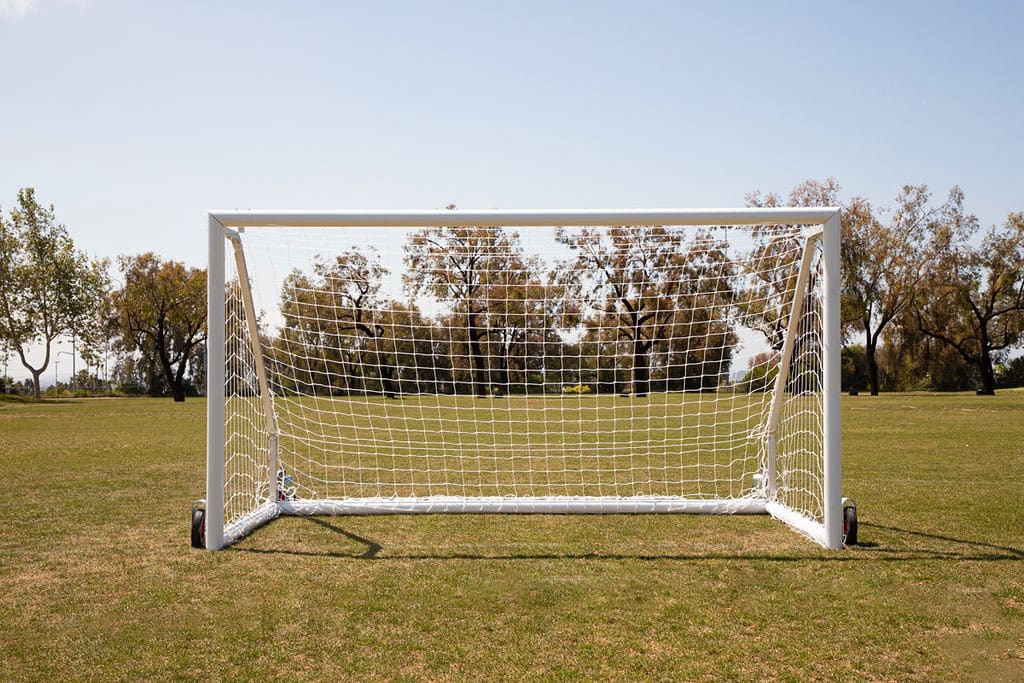
A soccer field rarely stays quiet for long. One team finishes practice, another arrives for drills, and then a league match starts a few hours later. Equipment has to keep up with that pace every day. That is why semi-permanent soccer goals have become a practical choice for schools, clubs, and sports facilities that need dependable performance without installing fixed goals. The right setup helps players train with confidence, gives coaches fewer equipment problems to solve, and keeps the field ready for the next kickoff.
Not Every Soccer Field Needs a Permanent Goal
Every field operates a little differently. Some stay in the same layout all year, while others change to fit different age groups, tournaments, or training sessions. A fully permanent goal can limit that flexibility, but lightweight practice goals often struggle with daily competitive use.
That is where semi-permanent goals fit naturally. They stay stable during regular play and still give grounds crews the option to reposition them with the right wheel systems when field layouts change. It is a practical choice for facilities that need strength without giving up flexibility.
Think about a city sports complex that runs youth leagues on Saturday morning and adult matches in the evening. Instead of using separate types of goals, staff can rely on equipment that handles both schedules while making field preparation much easier.
Built for More Than Match Day
Game day is only part of the season.
The real test comes from everything that happens before kickoff. Practice sessions, shooting drills, goalkeeper training, and back-to-back fixtures all put pressure on the same equipment. Over time, weak frames, loose net attachments, and frequent repairs begin to slow everyone down.
A heavy-duty 4-inch round aluminum frame helps these goals stand up to that daily workload. The built-in clip channel also keeps the net secure around the frame, so coaches and field crews spend less time fixing loose net clips before training or matches.
One Product Line, Different Levels of Play
A five-year-old learning the game does not need the same goal as a varsity team preparing for a championship match.
That is why different sizes matter.
Smaller options like 4′ × 6′, 4′ × 9′, and 5′ × 10′ work well for youth development and training. As players grow, facilities can move to 6’6″ × 12′, 6′ × 18′, 6’6″ × 18’6″, or 7′ × 18′ goals. Older age groups and full competitions can then use 7′ × 21′ or the official 8′ × 24′ regulation size.
This approach allows schools, parks, and soccer clubs to equip every field with goals that match the level of play instead of forcing every team to train on the same setup.
A Good Choice for Long-Term Field Management
Soccer goals stay on the field long after the final whistle. Grounds crews mow around them, coaches use them every day, and players put them through hundreds of shots each week. Equipment that constantly needs attention quickly becomes another job for the people managing the facility. That is why a well-built semi-permanent goal can save both time and maintenance over the course of a season.
Think about a school that runs physical education classes during the day, varsity practice after school, and weekend tournaments. If the goals need constant repairs or the nets come loose before every game, valuable time disappears.
Semi-permanent goals help reduce those interruptions. Their sturdy frame and secure net attachment system allow staff to spend less time fixing equipment and more time preparing the field. That makes a real difference when several teams share the same facility.
Some organizations also add permanent wheels or swivel wheels. These accessories make it easier to move goals when the field layout changes while reducing strain on maintenance crews.
What Should You Look for Before Buying Semi-Permanent Soccer Goals?
Not every soccer facility has the same needs. A youth academy, a college stadium, and a city park all use their fields differently. Looking beyond the price tag helps buyers choose equipment that performs well for years instead of only one season.
Before making a decision, ask yourself:
- Who will use the field most often?
- How frequently will practices and matches take place?
- Will the goals stay in one location or move between fields?
- Do you need ground sleeves or wheel systems for easier handling?
- Will replacement nets and accessories be easy to find later?
For example, a municipal sports complex may move goals throughout the year to prepare fields for different age groups. Adding compatible wheel systems can make that work faster while protecting the grass from unnecessary damage.
Small Buying Decisions Can Become Expensive Later
A lower purchase price often looks attractive at first. Still, the least expensive option does not always deliver the best value.
A club might save money by buying light-duty goals today, only to replace hardware, repair bent frames, or purchase new nets much sooner than expected.
Some common mistakes include:
- Buying recreational goals for competitive fields.
- Choosing the wrong goal size for the level of play.
- Forgetting about wheels, ground sleeves, or replacement nets.
- Ignoring how often the goals will be moved.
- Looking only at today’s cost instead of years of use.
A travel soccer club learned this after replacing damaged hardware almost every season. Once stronger competition-grade goals replaced the older equipment, maintenance became less frequent, and field setup took much less time before matches.
How Can the Right Goal Improve Every Match Day?
Players notice the field before the first whistle, but coaches and facility managers notice something else. They notice whether the goals stay solid through every shot, whether the nets stay in place, and whether setup takes minutes instead of creating extra work. That is where quality matters. A dependable semi-permanent goal keeps the field ready for practices, league matches, and tournaments without constant adjustments. Coaches can focus on players, officials can start games on time, and maintenance crews spend less time dealing with equipment between matches.
In Closing
Every competitive soccer field faces the same challenge. Equipment must perform through daily practices, league games, and busy tournament weekends without slowing everyone down. Choosing semi-permanent soccer goals gives schools, clubs, municipalities, and sports facilities a dependable solution that balances stability, flexibility, and long-term value. The right goal today can reduce maintenance, simplify field management, and keep players focused on the game instead of the equipment.
When you need reliable soccer equipment, Fold-A-Goal delivers factory-direct solutions built for every level of play. From semi-permanent soccer goals and replacement nets to wheel systems, ground sleeves, and field accessories, the company helps schools, clubs, parks, and sports facilities create safe, game-ready fields that perform season after season.
Frequently Asked Questions
1. What are Semi-Permanent Soccer Goals used for?
Semi-permanent soccer goals work well for schools, clubs, parks, and sports facilities that need stable goals with some flexibility for field changes.
2. Can semi-permanent soccer goals be moved?
Yes. With compatible wheel systems, they can move between fields more easily while remaining secure during regular practices and competitive matches.
3. Which goal size should I choose?
Choose the size based on player age, competition level, and field dimensions. Youth teams and regulation matches require different goal sizes.
4. Are semi-permanent goals better than portable goals?
They offer greater stability and durability for frequent play, while portable goals work better for temporary training sessions and lighter use.
5. What accessories should I buy with semi-permanent soccer goals?
Ground sleeves, wheel systems, replacement nets, and compatible hardware help improve setup, movement, maintenance, and long-term performance.