Free shipping on orders over $99. Shop now

Why Do Soccer Clubs Choose Portable and Semi-Permanent Goals?

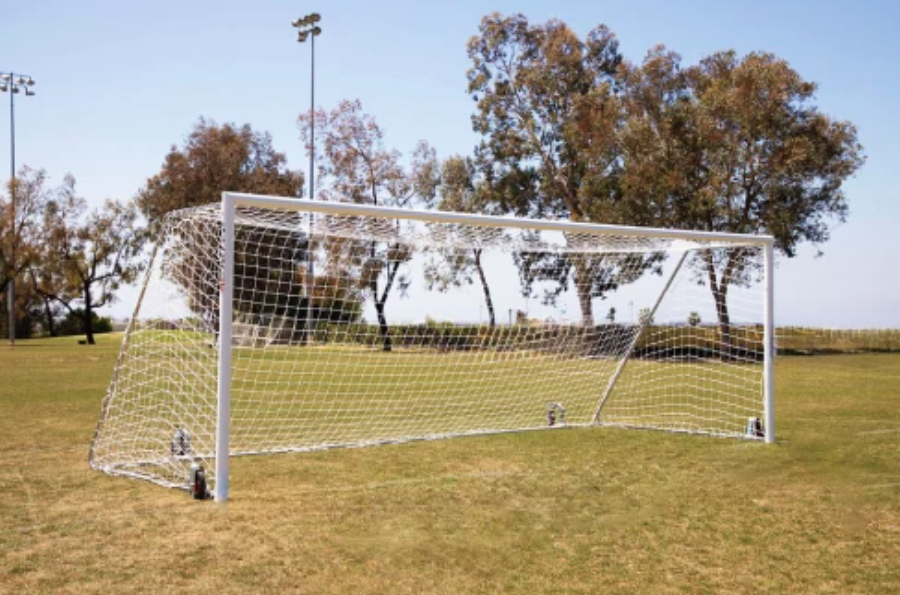
Soccer clubs need goals that work with their fields, teams, and weekly schedules. A fixed goal can make field changes harder, while portable options let coaches move equipment when needed. For clubs comparing full-size options, deluxe pro goals may fit competitive settings, but the best choice still depends on the club’s fields, players, training plans, and storage needs.
Why Do Soccer Clubs Choose Portable and Semi-Permanent Goals?
The simple answer is flexibility.
A soccer club may have several teams using the same field throughout the week. A younger team may need a smaller training area. An older team may need a full-size setup. Then, on the weekend, the club may need the field ready for a league match or tournament.
Portable goals make those changes easier.
Staff can move them to create new training areas or clear the field when another group needs the space. They can also store them when the field needs maintenance.
Semi-permanent goals offer a middle ground. They provide a more settled setup than fully portable goals, but clubs can still move them when field needs change.
So, the right choice comes down to how the club uses its fields.
Portable Goals Make Training More Flexible
A coach rarely wants every practice to look the same.
One session may focus on shooting. Another may focus on passing. A third may use small-sided games to give players more touches on the ball.
Portable training goals can help coaches change the setup without redesigning the entire field.
For example, a coach could place several smaller goals around one section of a field. Players could then move between shooting, passing, and finishing drills.
That setup can also keep more players active.
Instead of having a large group wait for one shooting drill, coaches can create several stations. Players get more chances to practice, while coaches can watch different skills at the same time.
This makes practice soccer goals useful beyond simple scrimmages. They can become part of a regular training plan.
When Does a Semi-Permanent Goal Make More Sense?
Semi-permanent goals can work well for clubs with a regular home field.
Imagine a club that uses the same competition field every weekend. The goal does not need to move after every practice. However, the field may still need to change for training, maintenance, or other users.
A semi-permanent goal can provide that balance.
It gives the field a more settled match setup without making the equipment as difficult to move as a fully fixed system.
Club managers should think about movement before choosing this type of goal.
If staff rarely move the goal, a semi-permanent option may make sense. If staff regularly change field layouts, portable equipment may prove more useful.
There is no universal winner. The field routine should guide the decision.
Goal Size Should Match the Team and Field
A bigger goal is not automatically a better goal.
Soccer clubs often work with different age groups, and those teams may use different field sizes. A youth team may not need the same goal as an older competitive team.
Some soccer goals come in youth sizes, while full-size goals can measure 8 by 24 feet.
Before buying, clubs should check:
- Player age groups
- Field dimensions
- Game format
- League requirements
- Training plans
- Indoor or outdoor use
- Storage space
This step can prevent an expensive mistake.
A club that runs several age groups may also need more than one goal size. Buying equipment around actual field use makes more sense than choosing everything based on appearance or price.
How Do Portable and Semi-Permanent Goals Compare?
The best option depends on the club’s daily routine.
| Portable Goals | Semi-Permanent Goals |
| Easy to move between areas | Better for regular field setups |
| Useful for changing drills | Useful for match-focused fields |
| Good for shared fields | Good for clubs with a regular home field |
| Easier to store when needed | More settled once installed |
| Useful for training and tournaments | Useful when stability is a bigger priority |
Neither type is automatically better.
A club that shares fields with schools or other teams may value portability more. A club with a dedicated competition field may prefer a semi-permanent setup.
The important question is simple: How often will the goal need to move?
Field Equipment Goes Beyond the Goal
A soccer field needs more than two goal frames.
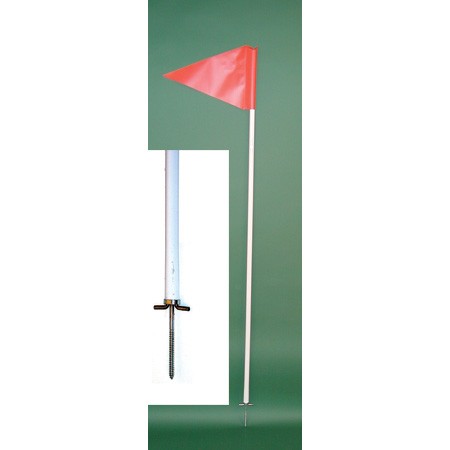
Clubs may also need nets, anchors, wheels, net fasteners, carrying bags, replacement parts, corner flags, field-marking paint, and striping equipment.
These smaller items can become important when a club manages several fields.
For example, a torn net can create a problem before an important game. Having replacement equipment on hand can help staff deal with smaller issues without putting the entire session on hold.
Training staff may also need:
- Cones
- Agility poles
- Hurdles
- Scrimmage vests
- Coaching boards
- Whistles
Thinking about the whole field setup can help clubs avoid buying a goal and then realizing they still need several other pieces of equipment.
What Should Clubs Check Before Buying?
Price should be part of the decision, but it should not be the only factor.
Start by asking how the goal will be used. Then look at the product details that match that use.
Check the:
- Goal dimensions
- Frame construction
- Portability
- Anchoring system
- Wheel options
- Net type
- Storage needs
- Replacement parts
- Warranty
- Shipping requirements
Large goals can also require different shipping arrangements from smaller training equipment. Freight costs and delivery needs should therefore form part of the budget.
Clubs should also think beyond the current season.
A club may add new teams, start another program, use another field, or host tournaments in the future. Equipment that fits today’s needs may not work as well after the club grows.
Planning ahead can prevent another expensive purchase later.
Safety Remains Important With Movable Goals
Portable does not mean risk-free.
Staff should follow the manufacturer’s setup instructions and use the correct anchoring system. They should also check the goal before players begin using it.
A quick inspection can include:
- Check the frame for visible damage.
- Check anchors and connections.
- Check wheels and moving parts.
- Check the net and fasteners.
- Make sure the goal sits correctly before play.
These checks matter even more when staff move goals often.
A club should also make sure coaches and field staff know how to move and set up the equipment correctly. Good equipment still needs proper handling.
Growing Clubs Need Equipment That Can Adapt
A soccer club can change a lot from one season to the next.
It may start with a few youth teams and later add older age groups. It may begin using a second field. It may also add camps, tournaments, or extra training sessions.
Portable equipment can help the club respond to those changes.
This matters even more for clubs that rent or share fields. Staff may have limited time to set up equipment before practice and clear it afterward.
Portable goals can give them more control over that process.
Semi-permanent goals can also work well when a club has a regular field and wants a more settled match setup without committing to fully fixed equipment.
The smartest choice is the one that fits the club’s real routine.
Final Remarks
Portable and semi-permanent goals can give soccer clubs more control over training, matches, shared fields, and changing schedules. The deluxe pro goals may suit clubs looking for full-size options, but clubs should still consider field size, player groups, movement, storage, safety, league rules, and budget before buying.
Fold – A – Goal has focused on soccer goals and field equipment for more than 40 years. The family business serves clubs, schools, coaches, facilities, and families across the country. From portable and semi-permanent goals to nets, anchors, wheels, training equipment, and field supplies, we give soccer organizations practical choices for managing their fields. When clubs choose equipment based on how they actually train and play, they can avoid unnecessary spending and build a setup that works season after season.
Frequently Asked Questions
1. Are portable soccer goals suitable for shared club fields?
Yes. Portable goals work well on shared fields because staff can move them for different teams, drills, games, or field users.
2. Do portable soccer goals need anchors during training?
Yes. Clubs should use the correct anchoring system and follow the manufacturer’s instructions to help keep movable goals stable during use.
3. How should clubs choose the right soccer goal size?
Clubs should consider player age, field dimensions, game format, league rules, training needs, and whether they host competitive matches.
4. When should a club choose semi-permanent goals instead?
Semi-permanent goals can make sense when a club uses the same field often but still needs occasional equipment movement.
5. What equipment should clubs buy with new soccer goals?
Clubs may also need matching nets, anchors, wheels, fasteners, carrying bags, replacement parts, corner flags, and field-marking supplies.