Free shipping on orders over $99. Shop now
Kickback Goals for Soccer Training, Passing, and Shooting Practice

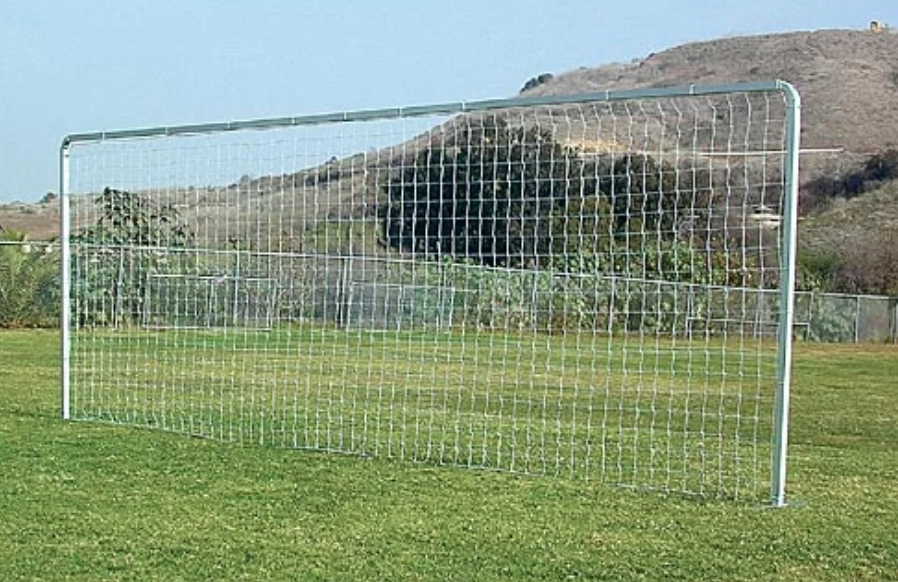
Players do not improve by only playing full matches. They improve when they repeat simple skills again and again until they become natural. Passing accuracy, shooting power, first touch, and quick reactions all need regular practice. That is why kickback goals have become a useful training tool for players, coaches, schools, and soccer clubs that want more productive practice sessions without needing extra players.
Why Are Kickback Goals Useful for Soccer Training?
A coach cannot give every player the ball at the same time during a busy training session. Some players wait in line while others get fewer touches. This can slow down skill development.
Kickback Goals help solve this problem by giving players a simple way to practice independently. When a player passes or shoots into the net, the ball returns quickly, allowing them to continue the drill without stopping.
This makes them useful for:
- Improving passing accuracy
- Practicing powerful shots
- Developing first-touch control
- Building reaction speed
- Creating individual training routines
- Adding extra drills during team practice
For example, a youth player can spend 20 minutes after practice working on shooting technique. Instead of collecting the ball after every shot, they can take more attempts and focus on improving their movement.
How Do Kickback Goals Help Players Improve Faster?
Soccer is a game of repetition. A player who practices a skill regularly usually develops better control and confidence over time.
A kickback goal creates a simple training cycle:
- Pass or shoot the ball toward the net.
- Receive the rebound.
- Control the ball quickly.
- Repeat the drill.
This small routine helps players improve several important skills.
- Passing: Players can practice sending accurate passes at different speeds and angles. The returning ball also helps them prepare for the next move.
- Shooting: Strikers can work on placement, power, and quick finishing without needing a goalkeeper for every attempt.
- Ball control: The unpredictable return teaches players to adjust their body position and control the ball under pressure.
- Reaction time: Players learn to respond faster because the ball comes back immediately.
For coaches, this creates more opportunities to keep every player active. Instead of running one drill with a single goal, they can create multiple training stations where players continue working.
Who Can Use Kickback Goals?
Kickback goals are useful for more than professional training centers. They fit different levels of soccer development.
A parent may buy one for a young player who wants extra practice at home. A coach may use them during team sessions to improve technical skills. A soccer club may add them to its training equipment collection for regular drills.
They work well for:
- Youth players learning basic techniques
- High school teams preparing for competitions
- Soccer academies developing skills
- Coaches running small-group sessions
- Clubs that need extra training equipment
- Families creating practice areas at home
They are also helpful for goalkeeper training. A soccer goalkeeper can use rebound drills to improve reactions, positioning, and quick saves because the ball can return from different angles.
What Makes a Good Kickback Goal?
Not every training goal provides the same experience. The right choice depends on how often it will be used, where it will be placed, and who will use it. Before buying, consider these factors:
- Strong frame design – Training equipment takes repeated shots every day. A stable frame helps the goal stay reliable during regular practice.
- Quality net material – The net affects how the ball returns. A durable net helps maintain consistent rebounds during drills.
- Correct size – Smaller options work well for quick passing exercises, while larger sizes give players more space for shooting practice.
- Easy setup and movement – Coaches and facilities that change training layouts often need equipment that is simple to move and store.
A backyard player, a youth academy, and a large soccer club may all need different setups. The best option depends on the type of training, not just the price.
Why Should Buyers Think About Replacement Nets?
Training equipment faces constant use. Strong shots, outdoor weather, and regular practice can eventually wear down the net.
That is why buyers should consider replacement options before choosing their equipment. Having the correct replacement net available helps coaches and facilities keep their training setup ready instead of replacing the entire goal.
Different training environments may require different net sizes and styles. For example, a small practice area may need a compact kickback net, while a larger facility may look for bigger replacement options that match frequent team use.
Planning for maintenance from the beginning helps players spend more time training and less time dealing with damaged equipment.
Kickback Goals vs Traditional Soccer Goals: What Is the Difference?
Kickback goals and traditional soccer goals serve different purposes. A regular soccer goal is mainly designed for matches where players shoot to score. It creates the main target for games, tournaments, and team competitions.
A kickback goal works more like a training partner. It helps players practice skills when they need repeated touches instead of a full match setup.
The main differences include:
| Kickback Goals | Traditional Soccer Goals |
| Designed for training drills | Designed for official matches |
| Returns the ball after passes or shots | Holds the ball after scoring |
| Helps individual skill practice | Supports team competitions |
| Useful in smaller training areas | Requires a proper playing field setup |
For example, a coach running a shooting session can use kickback goals so players take more shots without waiting for a teammate to collect the ball. This keeps the session moving and gives players more chances to improve.
However, kickback goals do not replace full-size soccer goals. Teams still need regulation goals for games, scrimmages, and match preparation. Instead, both types of equipment can work together to create a complete training environment.
Are Kickback Goals Suitable for Schools and Soccer Clubs?
Schools and clubs often manage different teams, age groups, and training schedules. Because of this, they need equipment that supports different types of practice.
A middle school team may use kickback goals to help beginners learn passing and shooting basics. A competitive club may use them for advanced drills where players need extra repetition.
They can also help facilities with limited space. A coach does not always need a full soccer field to run a useful training session. A smaller practice area can still support important skill development.
For organizations that manage multiple sports, choosing flexible equipment also helps with field planning. Some facilities may have areas used for different sports throughout the year, including soccer and other field activities that require equipment such as rugby goals. Planning equipment needs carefully helps keep each training area organized and ready.
Summing Up
Soccer players improve when they get more chances to pass, shoot, control, and react. kickback goals give players and coaches a practical way to create more active training sessions without needing extra players for every drill.
Fold-A-Goal provides soccer equipment designed for players, coaches, schools, clubs, and sports facilities across the United States. From training goals and replacement nets to field equipment and accessories, the company helps organizations build complete soccer setups.
With factory-direct products and equipment made for real playing conditions, wesupport teams that want reliable solutions for everyday practice and competition. If you are improving a backyard training area or managing a full soccer program, the right equipment can help players train with confidence.
Frequently Asked Questions
1. What are kickback goals used for in soccer training?
Kickback goals help players practice passing, shooting, ball control, and reactions without needing another player to return the ball.
2. Are kickback goals useful for youth soccer players?
Yes, kickback goals help young players develop confidence, improve technique, and get more touches during individual practice sessions.
3. Can coaches use kickback goals during team training?
Coaches use kickback goals to create skill stations, improve drills, and keep players active throughout training sessions.
4. How long do kickback goal nets usually last?
Net lifespan depends on usage, weather conditions, maintenance, and the quality of materials used during regular training.
5. What should I consider before buying a kickback goal?
Consider frame strength, net quality, size, portability, and whether the goal matches your training needs.